


 BACK
BACKDiesel Reduction Program Helping to Clear the Air at PTFI
 June 2, 2026 - Sustained air quality improvements at PT Freeport Indonesia since 2019 have reduced diesel particulate concentrations from underground exhaust fumes by 50 percent.
Operational decisions—from maintenance scheduling to new equipment purchases—increasingly are influenced by their impact on the buildup of diesel particulate matter, or DPM, in underground work areas.
While diesel engine emissions can disperse in open air, managing them underground is critical to maintaining air quality and helping safeguard worker health over the long term.
All new vehicles purchased for underground use at PTFI must be equipped with clean-burning engines, where available, that meet globally recognized standards. They also must have enclosed cabs with air filtration systems to provide operators with a safe environment free from fumes and diesel particulates.
Because clean-burning engines are not available for all equipment, vehicles without this option are fitted with a diesel particulate filter (DPF) that strips the diesel particulates from the exhaust.
PTFI currently operates about 1,200 diesel-powered vehicles underground. Since 2019, the company has added 220 new vehicles with clean-burning engines, including 50 loaders, 26 haul trucks, 40 drills and 67 buses. In addition, 420 existing vehicles have been retrofitted with diesel particulate filters, including 82 loaders and 75 haul trucks.
In the next five years, all equipment operating in the tunnels is expected to be equipped with either clean-burning engines or the DPF. About two-thirds of the fleet will use the filters, with the rest powered by clean-burning engines. Together, these efforts are a demonstration of PTFI’s commitment to responsible production.
Additional enhancements
The DPM reduction effort was initiated in late 2017 when the new underground Grasberg mine was being designed. Ultra-low diesel fuel was fully adopted for use in all of PTFI’s highland operations including its underground Grasberg mine. The ultra-low fuel contains a maximum sulfur content of 10 parts per million compared to standard diesel that can range from 500 to 2,000 parts per million.
Riza Sani, Manager Underground Technical Services-PTFI, said adopting the ultra-low sulfur fuel was a “critical decision” to support the aggressive application of a clean-burning engine fleet as part of its emissions reduction strategy.
Another key decision was that went into the design of the Grasberg mine was to use an electric railroad instead of diesel trucks to transport ore from draw bells to crushers.
With a large fleet of diesel equipment operating in tunnels, the company recognized early that DPM concentrations would need to be controlled to maintain a safe and healthy working environment, said Matt Sullivan, Senior Vice President, Underground Mines-PTFI. Because Indonesia does not regulate DPM exposure, the company took responsibility for helping to ensure levels remain within safe levels. Using battery-powered electric vehicles to reduce emissions is not practical in this setting due to fire risk in an underground environment.
“We saw the potential health impacts and did what’s right for the employees,” Sullivan said of the ongoing work to minimize DPM concentrations.
The highest emitters of diesel particulates were targeted first, including haul trucks, loaders and other pieces of heavy equipment. The company worked closely with equipment manufacturers to develop new solutions, including vehicles with cleaner engines that meet PTFI standards.
Introducing diesel particulate filters brought additional challenges, particularly in the underground environment, said Arash Habibi, Technical Expert, Mine Ventilation-PTFI, and chairman of the DPM reduction program. Early versions of the filters would work only about 12 hours before becoming clogged and require cleaning. In response, PTFI collaborated with filter manufacturers to develop larger, more durable products capable of lasting up to 2,500 hours before being replaced during scheduled maintenance.
“It’s a significant undertaking doing this program underground,” Habibi said. “You have space limitations underground, so you can’t just make your cab 10 times bigger to put a window air conditioning unit on it. Every solution that you have has to be within the space that you have. It’s got to fit in the tunnel, and it still has to do the work. That made it very difficult for some of the solutions. We had to customize.”
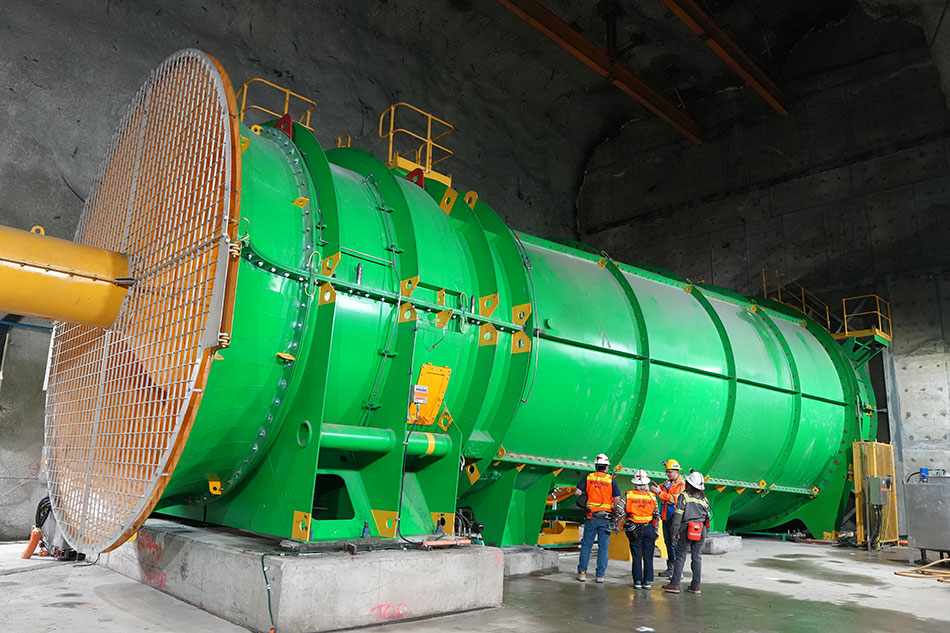
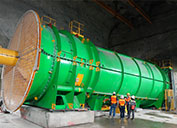
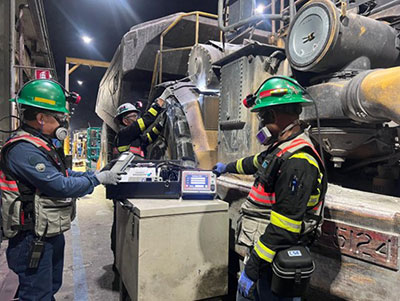
Photos (top to bottom): Workers check the emissions after a Diesel Particulate Filter was installed on equipment at PTFI. They are Esron Pinto, left, Superintendent, Mobile Fire System and Emissions Maintenance; Nelson Sugianto Simanjuntak, Foreman, Mobile Maintenance; and Pilemon Ronald Deda, Superintendent, Mobile Maintenance; A crew inspects the massive ventilation fan at PTFI, one of the largest underground fans in the world.



© 2026 Freeport-McMoRan
SOCIAL
RECOGNITION